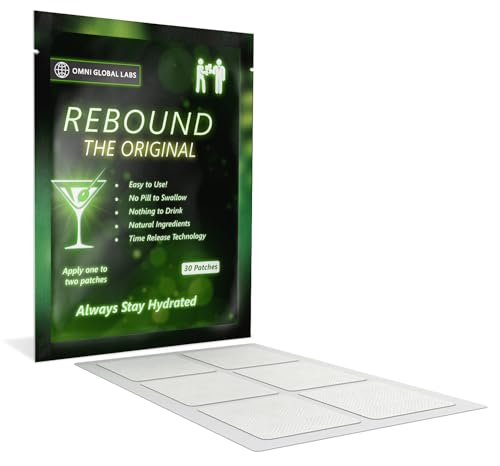
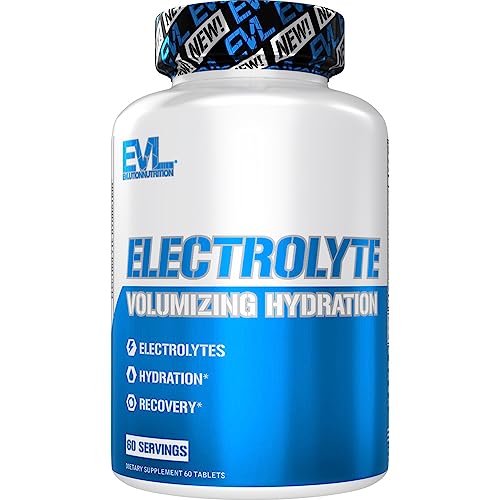
When it comes to conquering hangxiety, it's crucial to first identify the triggers that lead to feelings of anxiety after a night of drinking. One common trigger is dehydration, as alcohol is a diuretic that can leave you feeling parched and anxious the next day. Keep yourself hydrated throughout the night by alternating between alcoholic beverages and water, and be sure to drink plenty of water before bed to minimize the likelihood of dehydration-induced hangxiety.
Another trigger to watch out for is lack of sleep. Alcohol can disrupt your normal sleep patterns, leading to restless nights and increased feelings of anxiety the next day. To combat this trigger, try to establish a bedtime routine that promotes restful sleep, such as avoiding caffeine and electronic screens before bed, and creating a calming environment in your bedroom. Prioritizing a good night's sleep can help you wake up feeling refreshed and mentally clear, minimizing the effects of hangxiety.
Stress is another common trigger for hangxiety, as alcohol can exacerbate feelings of tension and anxiety. Take note of any stressful situations or thoughts that may have contributed to your drinking the night before, and work on finding healthy coping mechanisms to manage stress in the future. Engaging in relaxation techniques such as deep breathing, meditation, or exercise can help reduce stress levels and prevent the onset of hangxiety. By identifying and addressing your personal triggers, you can take proactive steps towards conquering hangxiety and finding relief.
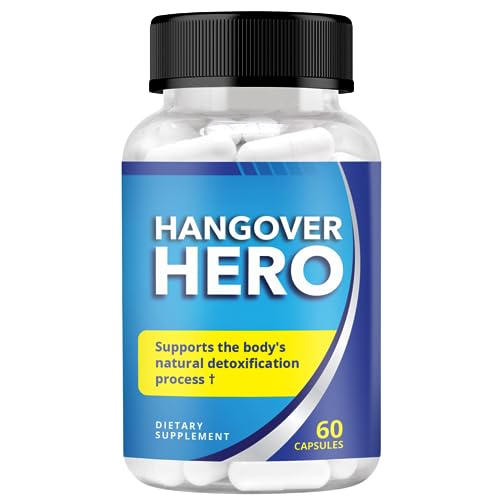
Hangover Hero: Alcohol Recovery with 12-in-1 Formula
The ultimate solution to your next-day woes, our Hangover Hero: Alcohol Recovery with 12-in-1 Formula will have you feeling refreshed and ready to take on the day
Product information
$29.95 $19.95
Product Review Score
4.29 out of 5 stars
81 reviewsProduct links
Practice Mindfulness
Start by taking a few deep breaths and focusing on your breath moving in and out of your body. This simple exercise can help calm your mind and reduce feelings of overwhelm. You can also try a body scan, where you focus on each part of your body from head to toe, noticing any areas of tension or discomfort.
Another great way to practice mindfulness is through guided meditation or visualization. There are plenty of apps and online resources that offer guided meditations specifically designed for anxiety relief. Taking just a few minutes each day to practice mindfulness can make a big difference in how you feel and how you cope with hangxiety.
Stay Active
Not only does exercise release endorphins, which are natural mood boosters, but it also helps to distract your mind from negative thoughts and worries. When you're feeling anxious, getting up and moving your body can help to shift your focus and improve your overall mood.
If you're struggling to find motivation, try enlisting a friend to join you for a workout or signing up for a group fitness class. Having a workout buddy can help to hold you accountable and make exercise more enjoyable.
Seek Support
One of the most important things you can do to conquer hangxiety is to seek support from friends, family, or a therapist. Talking about your feelings and experiences can help you feel less isolated and more understood. Whether you're struggling with anxiety after a night of drinking or dealing with the aftermath of a social event, having someone to talk to can make a big difference.
If you don't feel comfortable talking to friends or family about your hangxiety, consider reaching out to a therapist or counselor. These professionals are trained to help you work through your feelings and develop coping strategies to manage your anxiety. Therapy can provide a safe space for you to explore your emotions and learn new ways to navigate through difficult situations.
In addition to seeking support from others, it's important to also take care of yourself. Make sure you're getting enough sleep, eating well, and taking time for activities that bring you joy. Engaging in self-care practices can help reduce stress and improve your overall well-being, making it easier to cope with hangxiety when it arises. Remember, it's okay to ask for help and prioritize your mental health.